


ComicZoom
spoercsdingshe
ComicZoom is a free comics app that I would approach as a lightweight way to keep comic reading close at hand, rather than as a complete replacement for every dedicated reading service. Its simple store identity—“ComicZoom”—does not tell the whole story of how it fits into a daily routine, so I looked at it from the angle that matters most to readers: how quickly it feels ready, how comfortable it is during longer sessions, what happens when the phone is under pressure, and whether it remains a sensible choice on older devices.
The app comes from spoercsdingshe and sits in the Comics category. It is aimed at Everyone, which makes it easy to recommend for casual household use, although parents should still use their own judgement about the particular material a reader opens. The app is free to install, while optional in-app purchases range from $14.99 to $199.99 per item. That price range is important: the initial download may cost nothing, but anyone considering paid content or upgrades should check each purchase carefully before committing.
How ComicZoom feels in everyday use
Speed expectations before a long reading session
My first expectation with an app like this is not blistering speed; it is a clean path from opening the app to actually reading. ComicZoom’s appeal depends on removing small obstacles. If I have a few minutes on a bus, in a waiting room, or before bed, I want to reach a page without feeling that I have started a complicated media-management task.
The app’s current version is 1.0.3, so I would treat it as a relatively young product rather than a mature platform with years of refinement behind it. That does not automatically make it poor, but it does affect how I judge it. Early versions can feel pleasantly focused, yet they may also expose rough edges in navigation, content organization, or recovery after an interruption. I would install it with realistic expectations: useful for trying the reading experience, but not something I would immediately make the only home for a carefully built comic library.
One practical habit helps with any comics reader: open the app once while you have a stable connection and explore the reading path before saving it for an offline or time-sensitive moment. This is not a claim about a particular offline mode; it is simply a sensible test. You can learn whether the titles or pages you want are immediately available, whether the interface is understandable, and whether the app suits your preferred pace before you depend on it away from home.
Related News

Why WhatsApp Messenger Still Makes Everyday Communication Feel Easy

Jurassic World: The Game Is the Better Dino Tycoon for Strategic Players

Threads in Real Life: Who Should Join, Lurk, or Leave

How SHEIN Turned Shopping Into an Endless Content Feed

How to Make Fortnite Feel Smarter on Mobile

Should You Switch to Microsoft Outlook on Mobile?
The store shows an average rating of 4.5 from around one thousand ratings, which suggests that many people have found the basic experience worthwhile. I would read that figure as encouragement to try the app, not as proof that it will suit every reader. Comics apps can receive strong reactions from casual users while still leaving power readers wanting better sorting, deeper controls, or more predictable continuity between sessions.
What happens during heavier reading
A short comic session is an easy test. The more revealing scenario is a longer evening when I move through several issues or spend a sustained period zooming into detailed panels. That kind of use puts more pressure on page loading, memory handling, battery consumption, and the app’s ability to remember where I was. It also exposes whether the reading surface remains comfortable when I stop treating the phone as a quick distraction and use it as my main screen.
For that reason, I would test ComicZoom in three stages. First, I would open a short selection and switch away briefly. Next, I would return to the app and check whether I can resume without reconstructing my place. Finally, I would repeat the process after using other demanding apps. This workflow gives a more useful impression than judging the app from a single launch. It also answers a question many readers have before installing: will the app still feel manageable after the novelty wears off?
Gallery
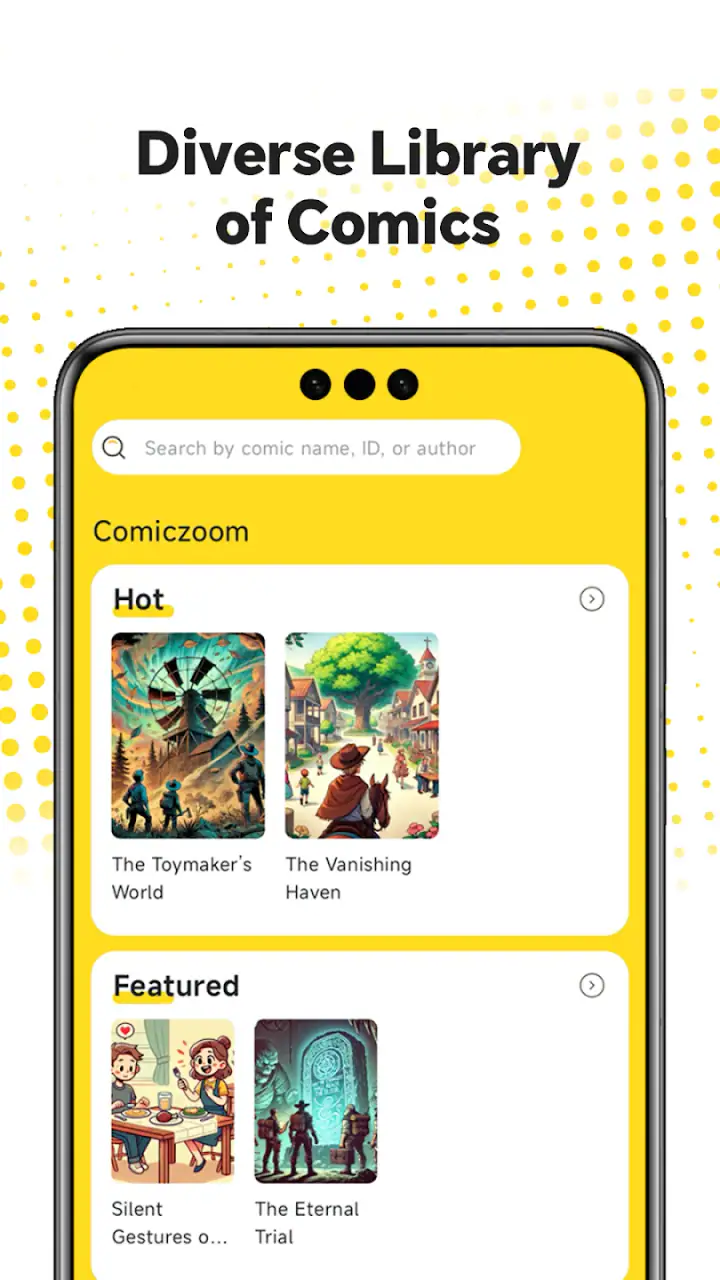
My main trade-off is convenience versus depth. A focused comics app can be easier to pick up than a general browser, because the reading task is the center of the experience. On the other hand, a browser or an established comic platform may offer more mature account handling, broader discovery tools, or a more proven way to organize a large collection. ComicZoom makes more sense when I want a direct comics-oriented experience and do not need every advanced library feature on day one.
Heavy use also changes how I think about purchases. Since individual in-app items can reach a high price, I would avoid tapping through quickly during an enthusiastic browsing session. I would first confirm what an item contains, whether it is a single purchase or part of a larger collection, and whether the price matches the value I expect from my reading habits. The free entry point is attractive, but it should not encourage careless spending.
Reliability and recovering after interruptions
Reliability is more than avoiding a crash. For a comics reader, it includes returning to the right place, keeping the page readable after rotating or locking the phone, and recovering gracefully when the app is interrupted by a call, notification, or low-memory situation. These details determine whether ComicZoom feels like a dependable reading tool or merely an app I open when everything happens to go perfectly.
I would recommend a simple recovery check before starting a long issue. Read far enough to establish a position, leave the app, and return later. Then repeat the test after restarting the phone. This gives you an immediate answer about whether the app’s current behavior matches your own expectations. It is especially useful for readers who switch between a phone and another device, because a smooth local session does not necessarily mean that progress will follow you elsewhere.
There is also a useful distinction between a technical failure and a content problem. If a page takes time to appear, that may be a connection issue; if the app opens but the comic is difficult to find again, that is a navigation issue. I would keep those separate when deciding whether to continue using ComicZoom. A reader with a small, stable selection may tolerate occasional friction, while someone managing a large backlog will notice organization problems much sooner.
The app has over ten thousand installs, enough to show that it has reached a real audience without making it feel like an established giant in the comics space. That middle position affects my confidence. I would be comfortable trying it with a low-risk reading routine, but I would keep important purchases and personal organization backed up in whatever way the app or my device allows. I would also avoid assuming that a favorite workflow from another reader will behave identically here.
Device constraints and the Android baseline
ComicZoom requires Android 7.0 or later. That is a useful compatibility point for people with older phones, although support alone does not guarantee an identical experience across every device. Screen size, available memory, display quality, and the age of the operating system can all change how pleasant a comics app feels.
On a smaller screen, detailed panels may demand more zooming and panning, which can make a long reading session tiring even if the app itself is stable. A larger display can make page composition easier to appreciate, but it can also make any inefficient loading or memory behavior more noticeable when several pages are handled in succession. I would judge the app on the device where I actually plan to read, not only on a newer phone used for a quick test.
Older hardware deserves a particularly careful trial. Before buying anything, I would open the app after clearing other recent tasks, read for a while, then return after a notification or phone call. If the interface remains responsive and my place is easy to recover, that is a meaningful positive sign for my setup. If the phone becomes warm, the app reloads often, or navigation feels delayed, I would prefer a simpler reading method or a more mature alternative.
Storage and battery are also part of the decision, even without assigning invented measurements. Comics are image-heavy by nature, so I would keep an eye on free space if I build a substantial collection. I would also avoid judging battery behavior from a single short session. Reading brightness, mobile data, screen size, and the amount of page movement can matter as much as the app itself.
Three ways I would use it differently from a casual download
My first practical use would be a “small queue” routine. Instead of trying to turn ComicZoom into a warehouse for every comic I might someday read, I would keep a short list of current interests and remove items once I finish them. This reduces the chance of losing track of what I actually want to read and makes the app easier to evaluate. It is a better fit for someone who reads selectively than for a collector who needs elaborate cataloguing.
My second tip is to separate discovery from purchase. I would browse when I have time, note the titles that genuinely interest me, and only then decide what deserves money. That pause is valuable because the app is free to start but includes expensive individual purchase options. A deliberate two-step routine protects the budget and makes it easier to compare a paid item with the alternatives available through other comic services or physical editions.
My third use case is short-form reading during fragmented parts of the day. A few pages while waiting for an appointment can be more realistic than promising myself a full evening. If ComicZoom lets me return easily to my place, that pattern could become its strongest role. It also gives the app a fair test: repeated openings and interruptions reveal more about practical reliability than one uninterrupted session.
A fourth consideration is screen comfort. I would adjust the phone’s brightness and text or display settings before blaming the app for tiring my eyes. Comics depend on visual detail, so the best experience may require a brighter screen in daylight and a gentler setting at night. Readers who strongly prefer large tablets, e-readers, or printed pages should compare those options honestly rather than expecting a phone app to solve every comfort issue.
Who will enjoy ComicZoom, and who should skip it?
I think ComicZoom is best for a casual or moderately curious comic reader who wants a free starting point and prefers a dedicated comics setting over searching through a general browser. It may also suit someone who reads in short bursts and values quick access more than a highly engineered collection-management system. The Everyone rating makes it broadly approachable, while the low barrier to installation makes experimentation straightforward.
I would be more cautious if I were a serious collector. Readers with a large existing library, strict cross-device expectations, or a strong need for advanced sorting should compare ComicZoom with established comic platforms before moving everything over. A web browser may be better for accessing a service already tied to an account, while a physical collection may remain preferable for people who care about ownership, display, or reading without depending on a phone.
It is also not the right choice for anyone who dislikes in-app purchasing prompts or does not want to monitor spending. The app costs nothing to download, but the available purchase range means the financial commitment can become much larger than the initial decision. I would recommend it to a friend with that warning stated plainly: enjoy the free entry point, but treat each paid item as a separate buying decision.
My performance verdict
ComicZoom earns a cautious recommendation as a focused comics app with an accessible starting point. Its strongest practical advantage is that it gives a reader a dedicated place to explore comics without requiring an upfront purchase. Its main uncertainty comes from its relatively early version and the fact that a free download does not tell me whether it will satisfy demanding library and continuity needs.
For the best experience, I would install it on the device where I read most, test a short session followed by an interruption, and delay purchases until I understand the app’s organization and return-to-reading behavior. That sequence answers the questions that matter more than a store summary: does it fit my screen, my attention span, my budget, and my tolerance for friction?
In my view, the app is worth trying if your goal is convenient comic reading in manageable sessions. I would not present it as the universal answer for collectors or as a guaranteed substitute for a mature comic ecosystem. With a careful approach to purchases and realistic expectations about device performance, ComicZoom is a sensible free experiment for everyday comic readers, especially those who want to discover whether a dedicated mobile reader belongs in their routine.
FAQs for ComicZoom
What is ComicZoom and what are its main features?
ComicZoom is an innovative app designed for comic enthusiasts, offering a vast library of comics from various genres and publishers. The app features a user-friendly interface, high-resolution images, offline reading capabilities, and personalized recommendations. With regular updates and a vibrant community, ComicZoom ensures an engaging and interactive reading experience.
Is ComicZoom available for both Android and iOS devices?
Yes, ComicZoom is available for download on both Android and iOS platforms. Users can find the app on the Google Play Store for Android devices and the Apple App Store for iOS devices. It is optimized for smartphones and tablets, providing a seamless experience across devices.
Does ComicZoom require a subscription, and what are the pricing options?
ComicZoom offers both free and premium subscription options. The free version allows access to a limited selection of comics, while the premium subscription provides unlimited access to the entire library, exclusive content, and ad-free browsing. Pricing varies depending on the subscription plan, with monthly and annual options available.
Can I read comics offline using ComicZoom?
Yes, ComicZoom allows users to download comics for offline reading. This feature is particularly useful for users who want to enjoy their favorite comics without an internet connection. Simply download the desired comics while online, and access them anytime, anywhere without data usage.
How does ComicZoom ensure the quality of its comic offerings?
ComicZoom partners with well-known publishers and independent creators to ensure a diverse and high-quality selection of comics. The app provides high-resolution images and regularly updates its library with new releases. User feedback and ratings also play a crucial role in maintaining and improving the quality of content available.
Pros
- Intuitive user interface for easy navigation.
- High-quality image resolution for comics.
- Offline reading mode available.
- Supports multiple comic formats.
- Regular updates with new features.
Cons
- Limited free content without subscription.
- Occasional ad disruptions.
- No option for custom theme colors.
- Some comics missing from the catalog.
- Requires account for cloud syncing.


